

A Home Away From Home
in Moh’kinsstis.
Whether you are new to Calgary, looking for support for your family, or wanting to reconnect with culture and Elders, our doors are open without judgment or red tape.
What Is a Friendship Centre?
More than 70% of Indigenous people in Canada now live in cities. Friendship Centres exist so that no matter what Nation you come from, when you arrive in Calgary, you have family, culture, and practical help waiting for you.
How the Movement Started (1950s to Today)
In the mid-1950s, Indigenous families began moving into Canadian cities in large numbers for work, school, and healthcare, often facing discrimination, isolation, and confusing red tape. Community members started opening welcoming drop-in rooms where relatives could share tea, find a safe place to stay, and help each other navigate city life. Today, over 100 Friendship Centres across Canada form the country’s largest urban Indigenous support network.
Status-Blind Doors
We never turn a relative away because of paperwork. Whether you hold a Treaty Status card, Métis citizenship, Inuit beneficiary card, or no card at all, our doors are open to you.
Guided by Elders
Our Elders and Knowledge Keepers guide our work, sharing ancestral languages, leading smudge and circles, and keeping our spaces rooted in Treaty 7 respect.
Whole-Person Care
Life does not happen in separate boxes. A relative coming in for a food hamper or Status Card can also connect with housing support, court navigation, or an Elder circle in the same visit.
National & Provincial Accreditation (For Funders, Partners & Researchers) View Network Details ↓
The Aboriginal Friendship Centre of Calgary is an accredited member of both the provincial and national Friendship Centre associations, ensuring transparent financial accountability, community-led governance, and direct policy representation:
- Alberta Native Friendship Centres Association (ANFCA, Est. 1970): Canada’s first provincial association, uniting 21 Alberta Friendship Centres serving over 100,000 community members annually.
- National Association of Friendship Centres (NAFC, Est. 1972): Representing over 100 Friendship Centres and Provincial/Territorial Associations nationwide to advocate for equitable urban Indigenous funding and infrastructure.
National Association of Friendship Centres (NAFC)
The national voice advocating for the rights, funding, and infrastructure of urban Indigenous Peoples across more than 100 Friendship Centres in Canada.
Alberta Native Friendship Centres Association (ANFCA)
Canada’s first provincial association, uniting 21 Friendship Centres across Alberta to share resources, training, and regional programs.
Our 7 Hubs & Housing Builds
Instead of a single office, AFCC operates welcoming spaces across Calgary so support is close to transit, shelters, and neighbourhoods where relatives gather.
What We Do Day-to-Day
Every program at AFCC is built around practical help and cultural connection, meeting relatives where they are without judgment or red tape.
Program Model & Accountability (For Funders & Grant Reviewers) View Impact Model ↓
Rather than operating disconnected single-issue programs, AFCC uses a relational wraparound model: frontline basic needs (food, IDs, warming gear) build immediate trust with unsheltered and vulnerable relatives, creating warm handoffs into long-term housing casework (AHI), restorative court diversion, and Elder-guided cultural wellness. All financial reporting is audited annually and overseen by our volunteer Board of Directors.
Who We Serve
Calgary is home to one of Canada’s largest and fastest-growing urban Indigenous populations. AFCC welcomes First Nations, Métis, and Inuit relatives from Treaty 7 and across Turtle Island, alongside families, newcomers to the city, and allies walking together in reconciliation.
Community Allies & Partners
By working alongside Indigenous organizations, public agencies, and local partners, we stretch every dollar further for families in Calgary.
How We Partner: Reciprocity Over Checkboxes
Genuine partnership is not a logo on a banner: it means showing up consistently, respecting Indigenous leadership, and sharing accountability for real outcomes on the ground.










Interested in Walking Alongside AFCC?
Whether exploring multi-year funding, workplace learning, or program collaboration, we welcome conversations with organizations committed to respectful, lasting community impact.
Board of Directors
Our volunteer Board of Directors guides AFCC’s long-term vision, financial accountability, and cultural integrity, ensuring our organization stays accountable to the community it serves.
How AFCC Governance Works (Bylaws, Membership & Financial Oversight) Read Governance Summary ↓
- Community-Elected Governance: AFCC is a registered non-profit society and CRA Registered Charity (
847902277RR0001) governed by a volunteer Board elected by our community membership. - Clear Role Separation: The Board focuses on long-term direction, financial oversight, policy, and Elder guidance, while day-to-day programs and staffing are led by the Chief Executive Officer and program leads.
- Annual Independent Audits: Financial statements are audited every year and shared transparently in our Annual Report to Community.

Tsapinaaki
A proud member of the Kainaiwa Nation of the Blackfoot Confederacy, Tsapinaaki (Dr. Gabrielle Weasel Head, PhD) is an Indigenous scholar, educator, and community leader serving as President of the AFCC Board of Directors and Associate Professor of Indigenous Studies at Mount Royal University. Grounded in Blackfoot teachings and Indigenous ways of knowing, she brings people together across Nations and builds respectful bridges between communities and institutions. Through her leadership at AFCC, including work supporting Indigenous AI and community-focused initiatives, she champions cultural revitalization, healing, and mentorship for Indigenous women and youth.
Read Announcement →
Del Majore
From the traditional Métis community of Lebret, Saskatchewan, and a proud citizen of the Métis Nation of Alberta, Del has been part of the Friendship Centre movement since childhood. A former Friendship Centre staff member and lifelong advocate, he brings decades of experience as a consultant, counsellor, and organizational leader dedicated to recognizing the strengths in people and communities. As Vice President, Del champions holistic wellness, supports relatives in pursuing their dreams, and walks humbly alongside our Elders and community.
Read Announcement →
Carla Garcia
A proud Venezuelan Mestizo woman and longtime ally and advocate, Carla has walked alongside AFCC in a good way for many years. Serving as Treasurer for both AFCC and the Alberta Native Friendship Centres Association (ANFCA), she brings strong financial stewardship, strategic governance, and Indigenous relations experience from Roundtable Consulting Inc. and Calgary non-profits. Carla holds bachelor’s degrees in Sociology from the University of Calgary and Business Administration from Yacambú University, alongside Indigenous Relations studies at UCalgary and the University of Alberta.
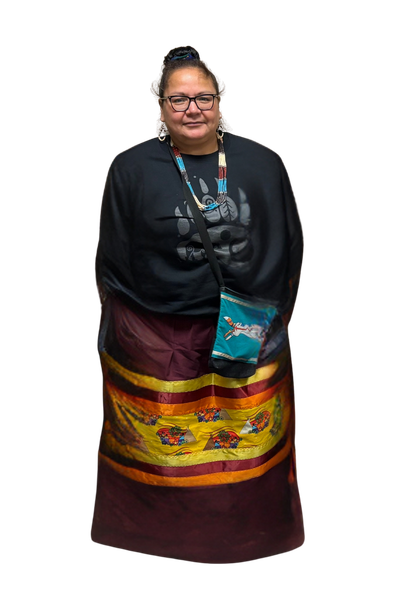
Karla Onespot
A proud member of the Tsuut’ina Nation, Karla Onespot serves as Secretary of the Aboriginal Friendship Centre of Calgary Board of Directors. Known as a fierce protector and principled advocate for the Friendship Centre, she stands firm in defending our community, mission, and integrity with courage and conviction. Through her steady stewardship of Board governance, clear communication, and accountability, Karla ensures AFCC’s expanding spaces, housing builds, and programs remain grounded in respect across Moh’kinsstis.

Grandmother Leanne Sleigh
A respected Siksika Nation leader of the Blackfoot Confederacy, fluent Blackfoot speaker, and ceremony holder, Grandmother Leanne Sleigh serves as Blackfoot Elder on the AFCC Board of Directors. For more than 17 years as Traditional Wellness Program Coordinator with Siksika Health Services, she has woven Blackfoot language, ceremony, and trauma-informed care into wellness settings alongside Traditional Grandfathers, Elders, and health partners. A gifted facilitator and Truth and Reconciliation Commission National Gatherings participant, she guides AFCC with intergenerational healing and cultural strength.
Read Announcement →
Edme Comstock
Serving as an Elder Member on the Aboriginal Friendship Centre of Calgary Board of Directors since 2020, Edme Comstock brings years of dedicated stewardship, lived cultural wisdom, and steady counsel to our governance circle. Through her mentorship, presence, and deep commitment to traditional values, she helps guide AFCC’s long-term vision and community relationships. Edme’s leadership ensures that our Board’s decisions and programs remain firmly rooted in respect, cultural integrity, and Indigenous ways of knowing.
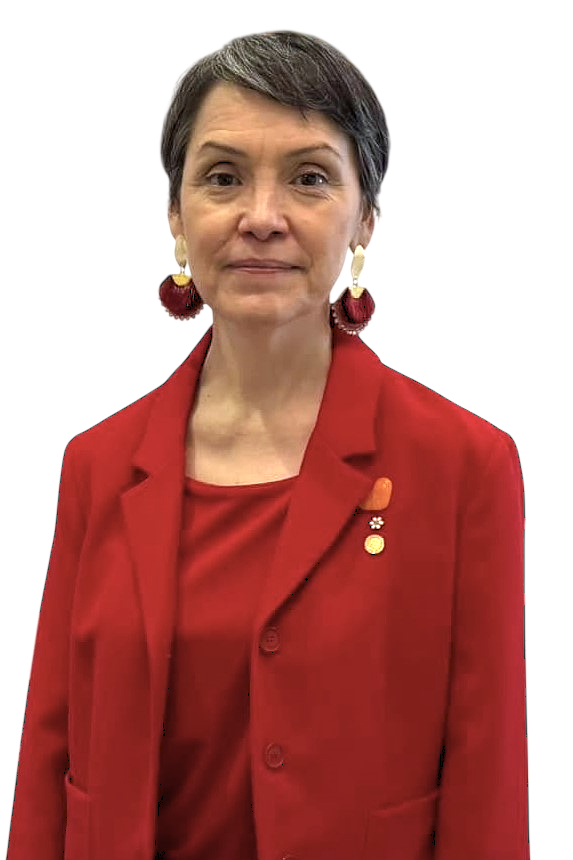
Susan Aglukark
A proud Inuk leader, acclaimed artist, and cultural advocate rooted in Inuit heritage, Susan Aglukark serves as Inuk Elder on the AFCC Board of Directors. She brings vital Inuit representation, lived cultural perspective, and a lifelong dedication to community healing, mental wellness, and youth empowerment to our governance circle. Her voice and guidance help ensure that AFCC’s programs, cultural spaces, and long-term vision honour the full diversity of First Nations, Métis, and Inuit relatives living in Moh’kinsstis.
View Community Event →