
AFCC Advances Two Indigenous-Led Housing Developments in Calgary
The Aboriginal Friendship Centre of Calgary (AFCC) is proud to announce the advancement of two shovel-ready Indigenous-led housing developments. Together, the Friendship House in Forest Lawn and the Crescent Heights Indigenous Women’s Safe Housing Project will create 38 culturally grounded homes for Indigenous peoples in Calgary.
A Historic Investment in Community
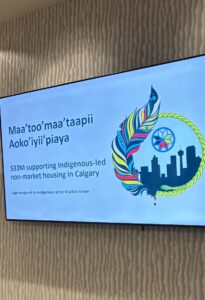
These vital projects are made possible through funding from the City of Calgary’s Maa’too’maa’taapii Aoko’iyii’piaya program. Translated to “Indigenous First Nation housing” in Blackfoot, this program represents the city’s largest investment into Indigenous housing to date.
AFCC is incredibly proud to be a recipient across all available funding streams of this historic initiative, including:
Stream 1 (Engagement and Planning): Funding to support engagement and planning activities for future non-market housing units.
Stream 2 (Housing Development): Capital funding for the building and construction of two specific AFCC housing projects.
Stream 2 (Land Purchase): Funding to secure land for future Indigenous-led housing developments.
Addressing an Urgent Need
While Indigenous people make up approximately three per cent of Calgary’s population, they represent 41 per cent of the city’s homeless population. These projects represent an important step forward in addressing the urgent need for Indigenous-led housing.
Together, the two developments will provide safe and affordable homes combined with culturally rooted supports designed to help community members move toward stability, healing, and independence.
Friendship House (Forest Lawn): This development will help create stable housing for Indigenous individuals seeking to transition toward long-term housing security.
Crescent Heights Indigenous Women’s Safe Housing Project: This project will provide safe and supportive homes specifically designed to meet the needs of Indigenous women rebuilding their lives.
More Than Just Housing
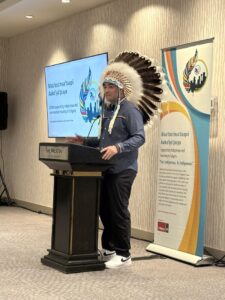
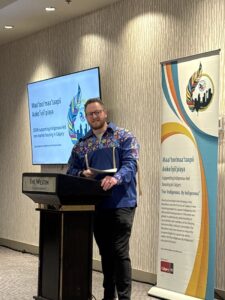
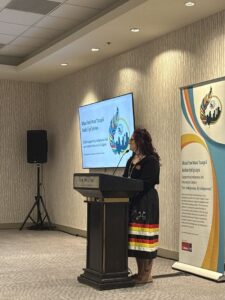
“Housing is foundational to strong families and healthy communities,” said Dr. Gabrielle Weasel Head, Board President of the AFCC. “These developments reflect our commitment to ensuring Indigenous people in Calgary have access to housing that is safe, supportive, and grounded in culture and community.”
Shane Gauthier, CEO of the AFCC, noted that these developments reflect the growing role of Friendship Centres in delivering Indigenous-led housing solutions.
“Friendship Centres have always been places where Indigenous people find support, belonging, and opportunity in urban communities,” Gauthier shared. “These housing developments build on that legacy by creating homes where people can rebuild their lives and move forward with dignity.”
As Calgary’s Indigenous population continues to grow, the AFCC remains committed to expanding housing initiatives that provide safe homes, culturally grounded supports, and pathways toward long-term stability for Indigenous families and individuals.